Australian coffee drinkers appreciate provenance. It appears in the means people discuss the roast day on a bag, the means they ask baristas where the beans originated from, and in the steady rise of subscriptions that stress traceability in addition to preference. Coffee Beans Delivery Australia is no more just about rate and ease. It is a possibility to vote for farming methods that keep dirts healthy, pay growers fairly, and regard the fact of a warming climate.
Sustainable shipment may sound like a logistics trouble, yet the majority of the footprint rests upstream on the ranch, throughout handling, and in freight. The choices you make at checkout surge back to hillside plots in Yirgacheffe and Cauca, to cooperative boards in Timor-Leste, to little Australian roasters that choose longer import routes to stay clear of air cargo. If you want the most effective Coffee Beans Delivery without jeopardizing values, it helps to comprehend the compromises behind qualifications, product packaging, roasting designs, and membership versions. It also helps to understand when to choose a residence blend and when to back a micro-lot.
What sustainability resembles in coffee, beyond the buzzwords
The word itself obtains stretched. In practice, sustainable coffee equilibriums three things: ecological health, economic viability for cultivators, and social wellness for neighborhoods. A natural tag by itself informs you something concerning ranch inputs, yet not whether pickers were paid on time or whether the merchant funded pre-harvest prices. Alternatively, a Fairtrade mark speaks with price safeguards and community premiums, yet not necessarily shade tree cover or soil carbon.
Roasters that deal with sustainability as a system usually do four things. They devote to transparent prices, ideally with published farm-gate or FOB numbers so purchasers can see how much money reached beginning. They keep long-term connections with producers, typically buying from the exact same farm or cooperative for five years or even more. They purchase top quality, since higher cup scores lead to higher rates that make the whole design work. And they focus on their own footprint in toasting and product packaging, since it is tough to sell values upstream if your downstream decisions are sloppy.
In Australia, the roasters that set the conventional tend to talk openly concerning these pieces. They do not hide behind common beginning tags or romantic ranch stories. They share details like fermentation design, drying out bed materials, export partners, and the year they started purchasing from a specific team. If you are reviewing Coffee Beans Delivery services, try to find that level of uniqueness on product web pages and newsletters.
How shipment choices change the footprint
Delivery can either weaken or intensify excellent sourcing. Domestic freight in Australia covers long distances, especially outside resources cities, so route planning and packaging matter. Air shipping within the country is quick yet carbon intensive. Road freight is the default for a lot of coffee registrations and does not bring a big low influence for a one-kilogram parcel, yet when multiplied across hundreds of orders the selection of messenger partners and sorting hubs comes to be material.
Roasters that deliver carbon neutrally typically buy offsets via certified programs. Offsets are imperfect. They do not remove the need to reduce emissions at the resource, yet they can stabilize unavoidable transportation when paired with actual reductions like combined send off days, recyclable mailers, and light, high-barrier packaging. If a company claims carbon nonpartisanship, read the fine print. Are they measuring toasting gas, electrical power, global products, neighborhood delivery, or simply their office?
There is also a quality compromise. Some solutions roast and deliver the exact same day, which is wonderful for espresso just if you allow the coffee remainder. Many premier coffee roasts top in between days 7 and 21 after roast. Filter coffee usually consumes alcohol well quicker, from days 3 to 10. If a local roaster supplies slower, ground products with foreseeable shipment home windows, that can actually provide you a far better cup with a smaller impact than over night air.
Certifications that really indicate change
Certifications do not guarantee a tasty mug, and they do not capture every moral technique, yet they help non-experts separate intent from advertising. The usual ones in coffee each carry various weights.
Fairtrade focuses on minimum prices and costs paid to cooperatives. It is most relevant in volatile markets and for bigger producer teams. Organic removes synthetic chemicals and fertilizers, which secures dirts and aquifer, though returns can drop if agronomy support is thin. Rain forest Partnership combines environmental and social criteria, with raising emphasis on climate strength. B Corp certifies a company at the company level, not per product, and signals broader governance and social impact beyond coffee itself.
Plenty of outstanding roasters in Australia bypass qualification and lean on direct connections. That can be great, yet direct profession is not an accreditation and does not inherently indicate higher rates or better methods. The most effective roasters publish purchase information, mug scores, and harvest years so you can confirm consistency. From a consumer viewpoint, pick roasters who offer you adequate details to examine their insurance claims, with or without third-party seals.
Packaging and how it affects both coffee and waste
Packaging does two tasks: it keeps coffee fresh by obstructing oxygen and wetness, and it protects the beans in transit. The greener option is not immediately the lowest-waste bag. If a compostable bag lets oxygen seep in, the coffee stales promptly, you make extra grams to chase after flavour, and you reorder much faster. Waste moves upstream and down.
High-barrier bags with a one-way shutoff continue to be the most effective defense for roasted coffee. Traditional multi-layer plastics are tough to reuse. More recent mono-material bags are recyclable with soft-plastics streams where readily available. Some roasters use aluminium-lined bags for exceptional barrier buildings and pair them with a return-to-roaster system. A couple of deal recyclable tins with refill packs. The practical test is straightforward. Does the bag listing its material kind and disposal course plainly? Does the roaster offer a take-back choice or direct you to a working recycling program?
At home, you can extend freshness with a closed container and by limiting oxygen exposure. If you have a subscription, request for smaller bag sizes more frequently rather than one big bag that goes stale midway with. That selection changes waste and preference greater than the marketing could suggest.
Ethics at beginning: what to look for in sourcing stories
A trustworthy sourcing tale begins with names. Not simply a country, however a cooperative, a farm, a mill manager. It consists of harvest days, processing approaches, and a clear line of how the coffee took a trip from ranch to merchant to importer to roaster. One of the most engaging tales additionally show year-on-year connection. Anybody can get a show-stopping micro-lot as soon as. Few devote to the very same producers through harsh periods, when leaf rust hits, or when a tornado ruins drying beds.
For shipments into Australia, you will see regular relationships with producers in Ethiopia, Kenya, Colombia, Brazil, Guatemala, Peru, and PNG, in addition to an expanding presence from Timor-Leste and the Solomons with development-focused supply chains. Sustainably minded roasters frequently money high quality upgrades like elevated beds, solar dryers, or pulpers, instead of just paying a costs and expecting the very best. Those interventions enhance cup top quality and resilience, which in turn warrant greater prices the list below harvest.
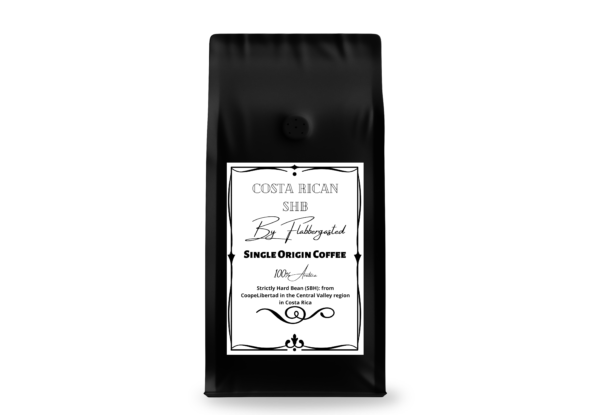
When a roaster ships a blend year-round, ask how they preserve it morally. The best maintain a constant flavour profile by revolving seasonal components from a dealt with swimming pool of partners rather than acquiring the most affordable matching lot on the market. By doing this your early morning level white sustains the same manufacturers even as harvest seasons move around the globe.
Freshness timelines, resting, and exactly how subscriptions can help
Coffee continues to launch carbon dioxide for days after roasting. If you grind and brew a coffee that is still gassing greatly, removal can be irregular. In practice, espresso tends to taste limited and sharp in the first three to 5 days and opens up later on. Filters are more forgiving. If your shipment lands 2 days after roast and you drink espresso, strategy your shots to come to a head around day 7 to 14. If you make filter approaches like V60 or set brews, day 3 to 10 is frequently the pleasant spot.
Subscriptions shine below. They can arrange shipment cycles to match your usage. If a home goes through 500 grams every 10 days, fortnightly 500 gram deliveries land you in the home window continually. Choose services that roast to order, publish roast dates, and allow versatile stops briefly. Those small controls aid you drink coffee at its best while preventing rush shipping.
Balancing unique micro-lots with trustworthy blends
Ethical doesn't indicate austere. You can chase a cleaned Ethiopian with jasmine and bergamot one week and resolve into a chocolate-caramel home mix the following. The sustainable option is not always the rarest whole lot with a fancy anaerobic process. Notification the environmental cost of certain processes that call for long tank times, substantial water, or energy-intensive drying. A lot of standard washed or honey-processed coffees taste impressive and commonly come from manufacturer groups that offer a greater volume, which secures incomes.
Blends usually provide far better milk drinks and even more regular outcomes gradually. Solitary origins teach your taste and guide your dollars to particular farms. A healthy distribution plan consists of both. Turn singles for weekend filters and stick to a mix for weekday coffee. That rhythm helps roasters move seasonal volumes responsibly without leaning on emergency air freight to connect gaps.
Price, value, and what a fair premium looks like
Ethical coffee costs more, yet it needs to not be mystical. In Australia, a solid, sustainable blend from a trustworthy roaster generally lands in between 40 and 60 AUD per kg when gotten as a kilo bag, and 18 to 28 AUD for a 250 gram bag. Remarkable solitary origins typically being in the 25 to 45 AUD array for 250 grams, with speculative great deals valued greater. If you see rock-bottom costs, question the supply chain. If you see eye-watering premiums, look for the information that warrants them: competitors lots, incredibly little yields, or straight farm investment.
Roasters that publish FOB or farm-gate costs aid you comprehend where the cash goes. As a rule of thumb, a sustainable cost typically pays at the very least 1.5 to 3 times the asset rate at the time of purchase, changed for top quality. Volatility can push that proportion around, but the concept holds. If a roaster never ever talks about cost paid or quality metrics, yet leans greatly on obscure impact language, step carefully.
Home equipment that sustains far better coffee with much less waste
You can brew extra sustainably without giving up preference. The largest bar is consistency. A range and a burr mill will save a lot more cups than any eco-friendly gadget by itself. When extraction is even, you utilize less grams per mug to get the flavour you desire, which stretches each bag.
Paper filters in a lot of drippers are compostable, and you can minimize water waste by considering your mixture water to the gram rather than pouring too much rinses. Warmth water just as high as you need. If you like espresso at home, a properly maintained maker runs much more effectively than one that idles throughout the day. Make use of the device's eco mode or switch it on throughout a regular that allows it cozy while you prep.
Packaging waste drops when you acquire in bag sizes that match your cadence. For numerous households, that means 500 grams every 10 to 2 week. If you enjoy range, split orders with a neighbour so you both consume fresher coffee without remaining staling.
Features that divide the very best Coffee Beans Delivery from the rest
A few operational options reveal a great deal concerning a delivery solution's values and proficiency. If you wish to locate the Best Coffee Beans Delivery for your needs, review on more than taste.
- Transparent item pages with farm names, process, harvest year, and roast date Roast-to-order routines and foreseeable dispatch days instead of rolling, stock-based shipping Packaging with a clear material course, plus a functioning take-back or reusing option Subscription controls for regularity, grind dimension, and easy pause or avoid, coupled with delivery that avoids unnecessary air Proof of long-lasting manufacturer relationships, either using published acquisition histories or repeating functions in newsletters
If a solution nails these, you will likely get both far better cups and a cleaner principles. If they miss the majority of them, you are probably paying for branding.
A quick note on decaf and sustainability
Decaf usually gets omitted of values conversations, yet it matters. One of the most typical sustainable decaffeination methods you will certainly see in Australia are Swiss Water and Hill Water. Both prevent methylene chloride and rely on water and purification to remove high levels of caffeine. They cost more, and the procedure can somewhat mute high notes, yet modern decafs can be excellent. Producers benefit due to the fact that decaf opens markets for late-harvest or lower-density whole lots that https://johnnyyzma763.tearosediner.net/get-coffee-beans-delivered-quality-at-your-front-door still taste great after mindful handling. If you consume alcohol decaf, choose water-processed options and try to find the very same traceability you anticipate from routine coffee.
Climate resilience and why your registration becomes part of the solution
Coffee is a climate-vulnerable crop. Increasing temperature levels push arabica higher the inclines, reduce appropriate land, and welcome parasites like coffee berry borer. Farmers cope by planting color trees, expanding crops, buying watering, and trialling disease-resistant ranges. These modifications set you back cash and require time to pay back.
Subscriptions offer the closest thing to an onward agreement at the retail level. When you devote to a roaster with transparent sourcing, you produce predictable demand that allows them devote to manufacturers earlier. That security flows right uphill. It does not fix environment danger, but it moneys the interventions that aid. If your membership also stays clear of thrill air freight, makes use of reasonable packaging, and supports lasting partnerships, it becomes one tiny, steady lever for resilience.
How to switch to a more ethical distribution solution without sacrificing taste
Changing beans can agitate a regular, particularly if you are dialed know a home espresso configuration. You do not require to sustain months of weak shots to make the change. Strategy it like a regulated experiment. Order a little bag from the new roaster first. Keep your old beans for a week and run both side-by-side, readjusting grind in little increments. If the brand-new beans are lighter baked, expect to grind finer and extend shot times by 3 to 8 secs to maintain body in milk. For filter, readjust your brew proportion somewhat richer in the beginning, say from 1:16 to 1:15, after that back off as soon as you find the sweet spot. The objective is to let far better sourcing right into your regular with marginal difficulty and no thrown away bags.
A practical purchaser's checklist for Coffee Beans Delivery Australia
Use this quick pass when you review a new solution or subscription.
- Do they name the ranch or participating and list the harvest year and process? Is the roast day visible, and do they roast to buy on established days? What is the product packaging made from, and exactly how do you get rid of it? Can you establish distribution tempo to match your usage without spending for thrill shipping? Do they publish sourcing details, including prices or lasting partnership notes?
If you can address yes to the majority of these, you are likely in great hands.
Where Australian roasters are pushing the envelope
The most fascinating renovations lately are not showy. They involve monotonous, reliable job. Some roasters are gauging and reducing gas intake on their machines, logging roast curves to boost consistency and minimize waste batches. Others are combining shipments from importers to minimise partial pallets and storage space points, which cuts transportation discharges. A couple of offer regional delivery by bike in inner-city areas, which hardly relocates the exhausts needle however does marvels for neighborhood fabric. The genuine gains sit in buying much better coffees, paying well for them, and not losing them through sloppy roasting or stale storage.
Origin job is developing as well. You will certainly see more support for anaerobic and regulated fermentations that include worth when done meticulously, and more caution where they take the chance of defects or water waste. Shade-grown programs are returning in places where farmers had actually cut trees to press return. And there is even more investment in drying out infrastructure, like raised beds and solar dryers, which stabilises high quality despite the procedure. As a customer, you benefit when a roaster can express why a procedure was chosen for a lot, rather than leaning on stylish descriptors.
Putting everything together at home
Ethical choices build up when they become routines. Beginning with one dependable roaster whose ethics you can validate. Set a subscription that matches your speed. Pick a grind-at-home setup, even an entry-level burr grinder, so you can acquire whole beans and reduce waste. Maintain your water chemistry consistent, because excellent extraction lowers how much coffee you require per mug. If you get involved in the weeds, play with dose and grind before you chase new gear.

Remember that taste is the north celebrity. Sustainability that ignores flavour will not keep in your kitchen area over months. If a roaster's coffees routinely make you grin, you will stay enough time for your purchases to matter at origin. If they do not, maintain looking. Australia's coffee scene has enough depth that you can locate a service that straightens with both your taste and your principles.
The market will certainly maintain changing. Products expenses rise and fall, harvests swing with climate, and your own routine modifications. The essentials stay consistent. Seek transparency, reward long-lasting relationships, line up shipment cadence with freshness, and deal with product packaging as a functional tool instead of an aesthetic trinket. With those supports, Coffee Beans Delivery in Australia becomes more than comfort. It comes to be a dependable way to consume alcohol far better coffee while pushing the industry towards methods that endure.